.png)
A Step-by-Step Look at the Dental Crown Procedure
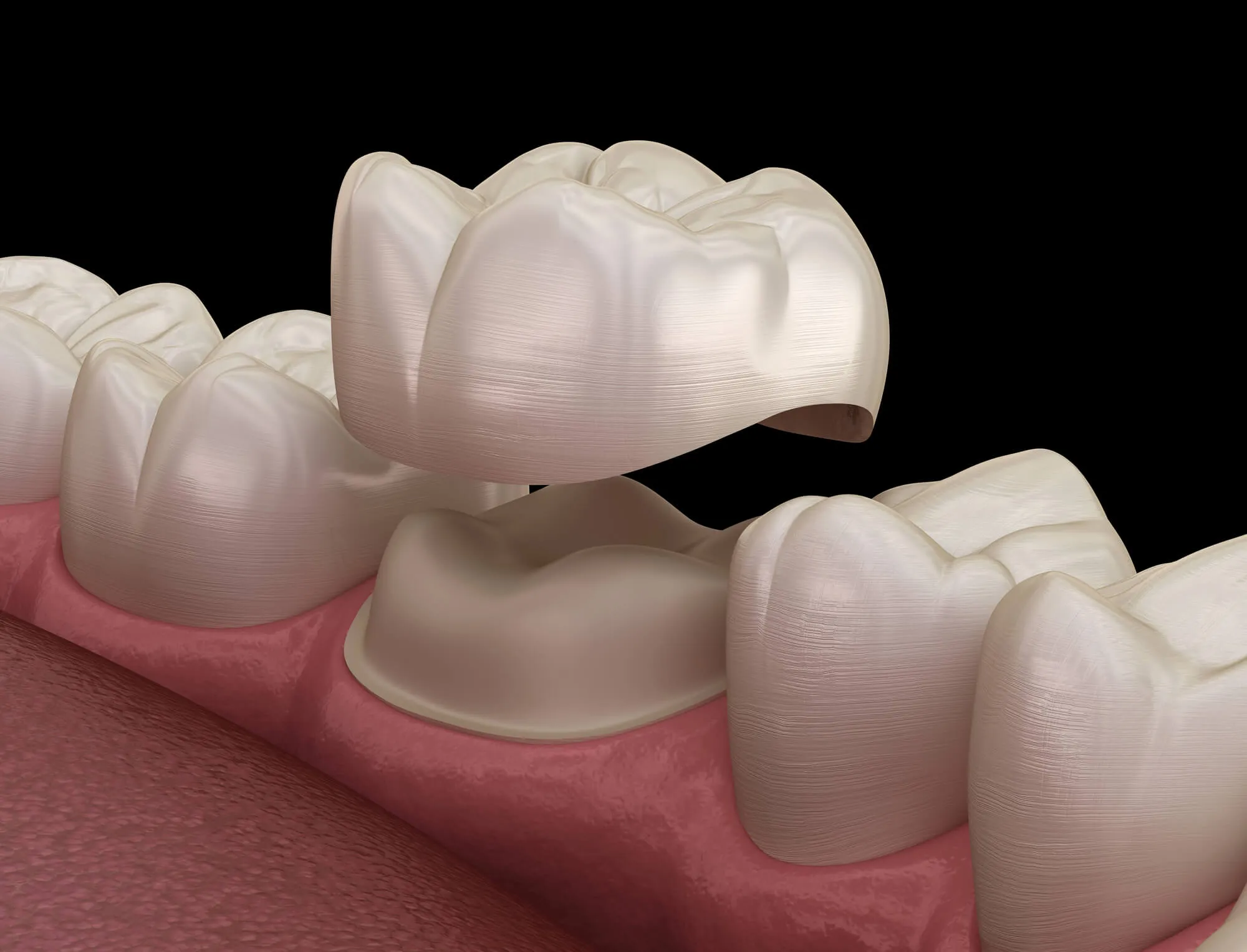
A crown appointment sounds simple until you start wondering how much of the tooth will be reshaped, whether the procedure will hurt, or how the new restoration will affect your bite. Those details matter because a crown must cover the tooth securely while fitting comfortably beside the surrounding teeth. Dental crowns in Plymouth, MI, are custom-made for this purpose. Following the procedure from evaluation through placement can show how each stage contributes to the crown’s fit, strength, and natural appearance.

How the Dental Crown Procedure Works
A dental crown is a custom-made cap that covers the visible part of a damaged, weakened, or decayed tooth. It may be recommended after root canal therapy or when the remaining tooth needs added support.
Step 1: Examining the Tooth
The dentist evaluates the tooth, surrounding gums, existing dental work, and bite. This assessment helps determine whether a crown is appropriate and whether other care is needed first.
Questions to discuss may include:
- Why the tooth needs a crown
- How much tooth structure must be reshaped
- How the crown will be matched to nearby teeth
Step 2: Preparing the Tooth
The area may be numbed to help manage discomfort. The dentist addresses damaged or decayed areas, then reshapes the tooth so the crown can fit over it. The amount of reshaping depends on the tooth’s condition and the space needed for the restoration.
Step 3: Recording the Tooth and Bite
After preparation, the dentist takes an impression of the prepared tooth. Records of the surrounding teeth and bite guide the crown’s shape and fit.
A temporary crown may be placed if the final restoration is made between appointments. It protects the prepared tooth while the custom crown is fabricated. Avoiding hard or sticky foods may help keep it in place.
Step 4: Checking and Placing the Crown
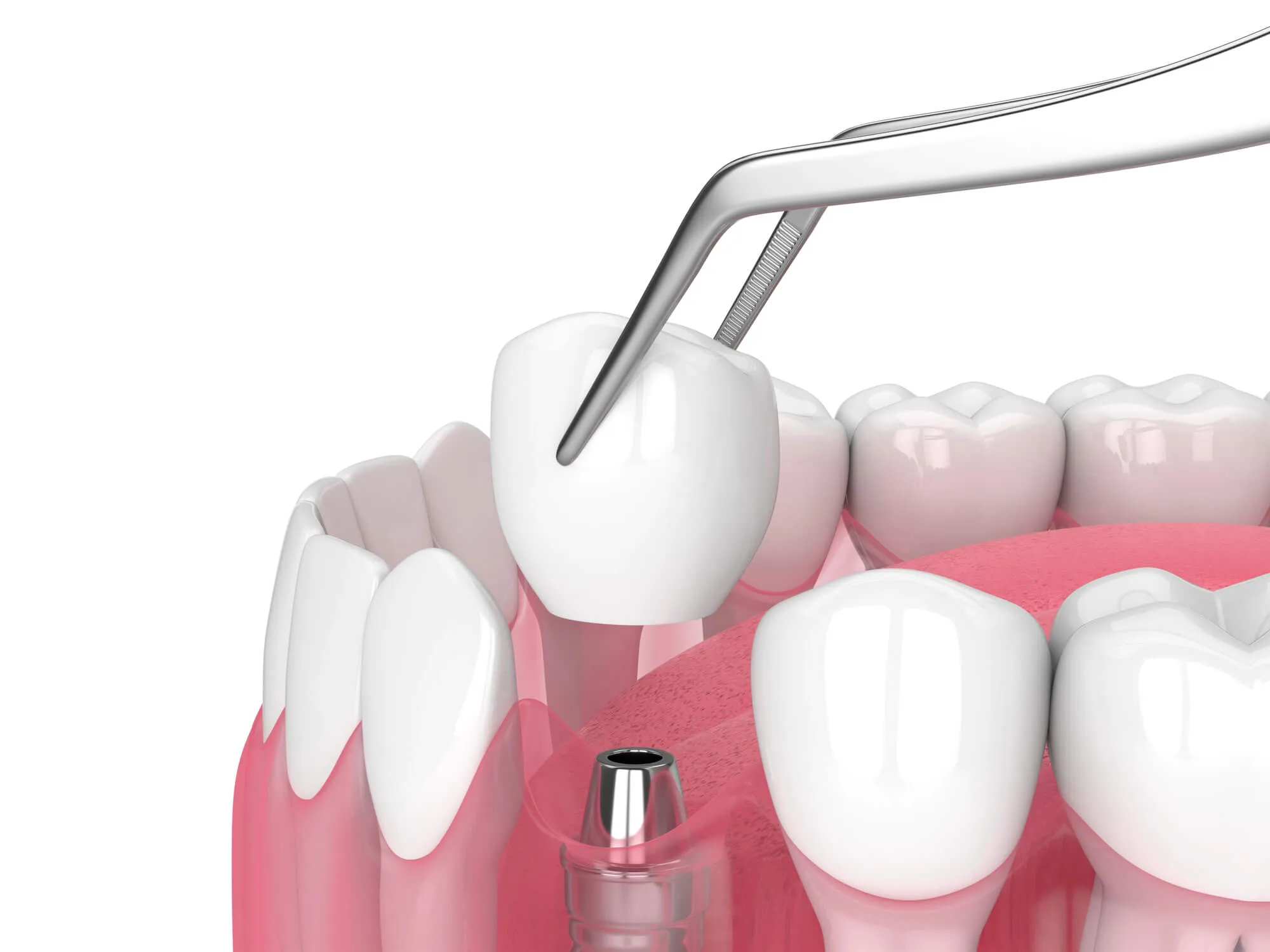
At the placement visit, the temporary crown is taken off if one was used. The dentist checks the custom crown’s edges, contact with neighboring teeth, appearance, and bite.
Small adjustments may be made before the crown is cemented. A crown that feels high or interferes with chewing should be reported for evaluation.
Step 5: Caring for the Crown
Brush twice daily and floss around the crowned tooth. Although the crown does not develop decay, the natural tooth at its edges remains vulnerable to plaque. Regular visits allow the crown, tooth, gums, and bite to be monitored.
Avoid chewing ice or using crowned teeth to open packages. A nightguard may be discussed if grinding places excess pressure on the restoration.
Frequently Asked Questions
Is Getting a Crown Painful?
Numbing can help manage discomfort during preparation. Mild sensitivity may occur afterward, but persistent or worsening pain should be reported.
How Many Appointments Are Needed?
The number of visits depends on how the crown is fabricated and whether the tooth needs other care first.
How Long Can a Crown Last?
Crowns may last 10 to 15 years or longer with appropriate care. Longevity varies with oral hygiene, bite forces, gum health, and teeth grinding.
Ready to Discuss Dental Crowns in Plymouth, MI?
Dental Arts provides custom crowns through a personalized approach centered on comfort, function, health, and natural-looking results. Contact Dental Arts to schedule a consultation and learn whether a crown may support your tooth and bite.
Contact us
Your smile deserves expert care in a place you can trust. Contact Dental Arts today to schedule your appointment and experience dentistry designed around you.