.png)
Dental Implants: What They Are and How They Work
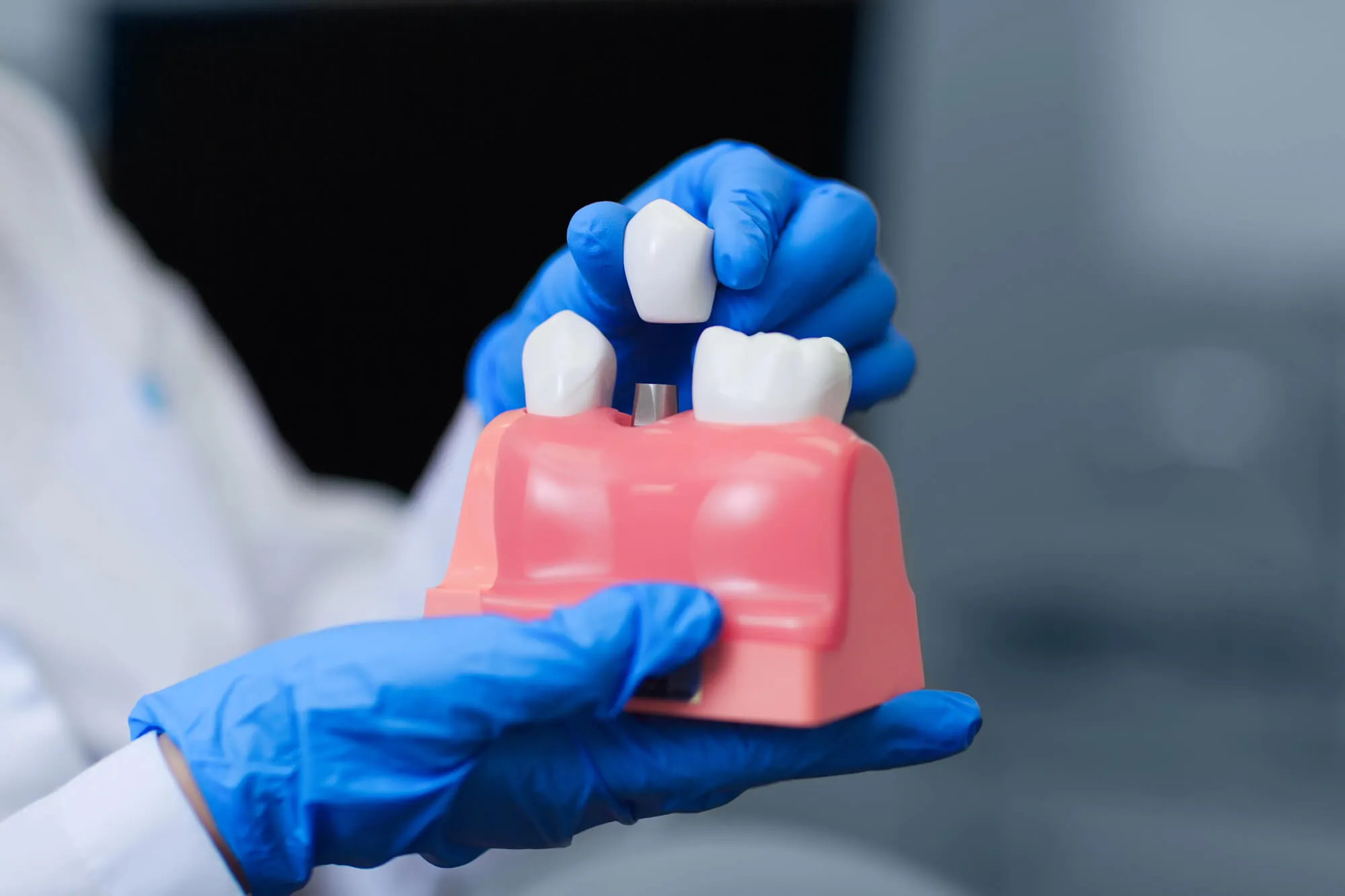
The visible gap is only part of what changes after a tooth is lost. Beneath the gums, the missing root no longer provides support in that area, which is why replacing a tooth involves more than choosing what appears above the gumline. Dental implants in Plymouth, MI, address both parts by pairing an artificial root with a custom restoration. Knowing how these components work together can clarify why the implant process occurs in stages and the purpose of each one.
How Dental Implants Replace Missing Teeth
A dental implant acts as a replacement for the root portion of a missing tooth. It sits within the jawbone and supports restoration above the gumline. Unlike a removable denture, the implant remains anchored in the bone while you speak and chew.
Dental implants can replace one tooth, several teeth, or support a denture. The design depends on the number and location of the missing teeth, available bone, and gum health.
The Three Main Parts of an Implant Restoration
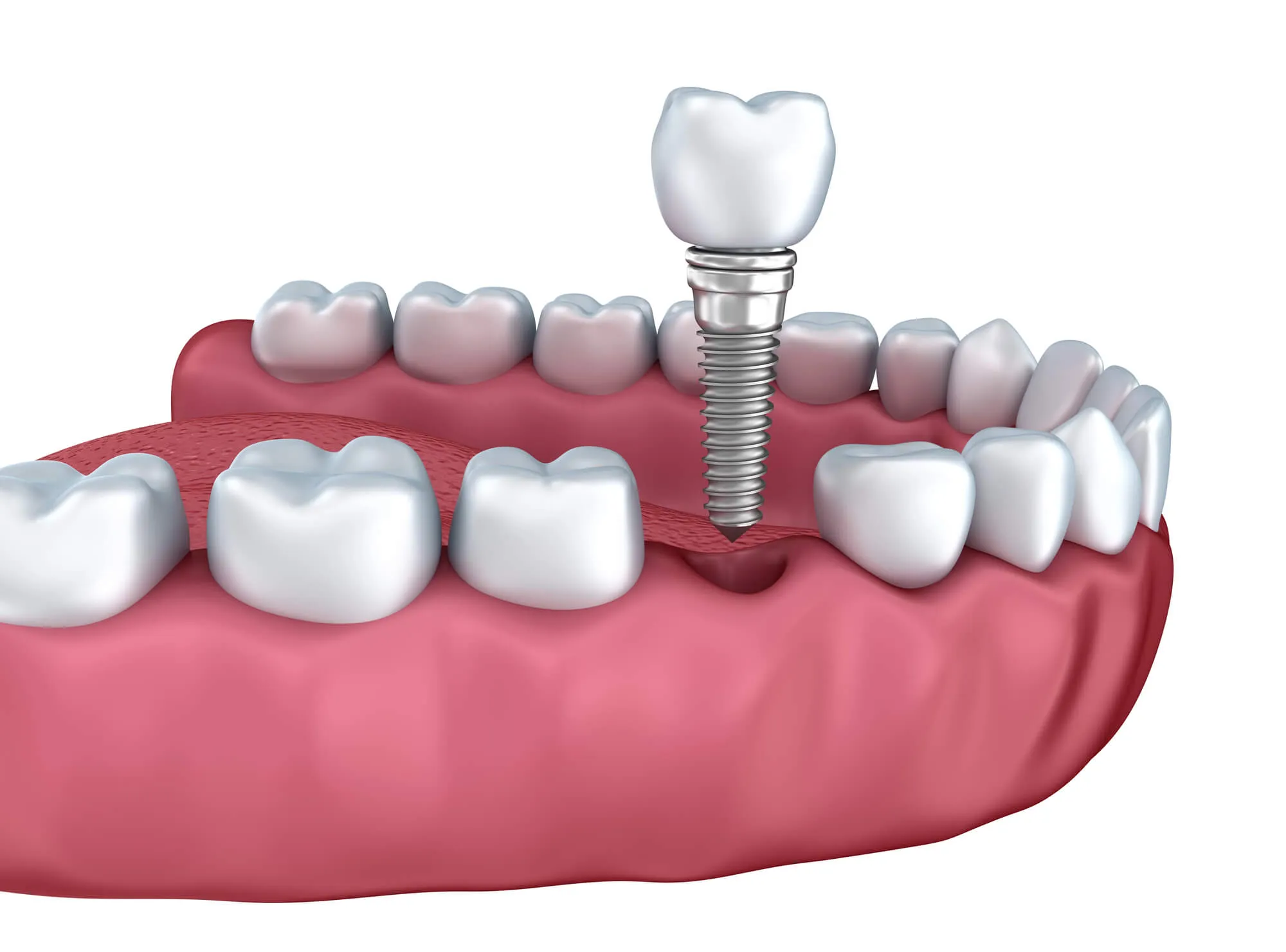
Most implant restorations involve three components:
- Implant post: A small titanium post placed in the jawbone
- Abutment: A connector positioned between the post and restoration
- Restoration: A custom crown, bridge, or implant-supported denture
These parts work together as one tooth-replacement system. The post provides support beneath the gum line, while the visible restoration is shaped to fit your bite and complement nearby teeth.
How the Implant Becomes Stable
After placement, the jawbone gradually bonds with the titanium surface through osseointegration. This biological process allows the implant to function as a secure foundation. Healing takes time, and the dentist monitors the area before attaching the final restoration.
Planning and Placing a Dental Implant
The process begins with a comprehensive evaluation and digital imaging. The dentist assesses your gums, available bone, bite, and the space for the replacement tooth. Healthy gum tissue and adequate bone are important for implant support.
If bone volume is limited, bone grafting may be recommended before or during implant placement. After the area heals, a custom restoration is attached. Follow-up visits allow the dentist to evaluate healing, fit, and function.
Benefits of Implant-Supported Teeth
Dental implants can provide several practical benefits:
- A secure foundation for replacement teeth
- Support for chewing and speaking
- A restoration designed for a natural appearance
- Stimulation that helps maintain bone in the implant area
- No need for adhesives used with some removable dentures
Results vary based on oral health, home care, smoking, medical history, and regular dental visits.
Frequently Asked Questions
Is Implant Placement Painful?
Anesthesia is used during implant placement to help manage discomfort. Some soreness may occur afterward, and your dentist will provide instructions based on your procedure and health needs.
How Long Does the Process Take?
The timeline varies. Healing, bone grafting, and the type of restoration can affect how many months are needed.
How Do I Care for an Implant?
Brush twice daily and clean the area around the implant carefully. Although the restoration cannot develop tooth decay, plaque buildup may affect the surrounding gums and supporting bone, making routine dental visits important.
Restore Comfort and Function with Dental Arts
Dental Arts combines advanced technology with personalized, unhurried care in a professional and caring environment. The team takes time to assess your needs, explain each stage, and develop a plan focused on comfort, function, health, and natural-looking results. Contact Dental Arts to schedule a dental implant consultation and learn whether this option may suit your smile.
Contact us
Your smile deserves expert care in a place you can trust. Contact Dental Arts today to schedule your appointment and experience dentistry designed around you.