.png)
Dentures: Types, Benefits, and What to Expect

Replacing missing teeth is not a matter of choosing between having teeth and leaving spaces. The number of remaining teeth, the condition of your gums, jaw structure, and stability all shape which denture design may work for you. Dentures in Plymouth, MI, include several options, each created for a different pattern of tooth loss. Learning how these types differ, what benefits they may provide, and how the denture process works can help you prepare for your consultation and the changes ahead.
A Closer Look at Denture Options
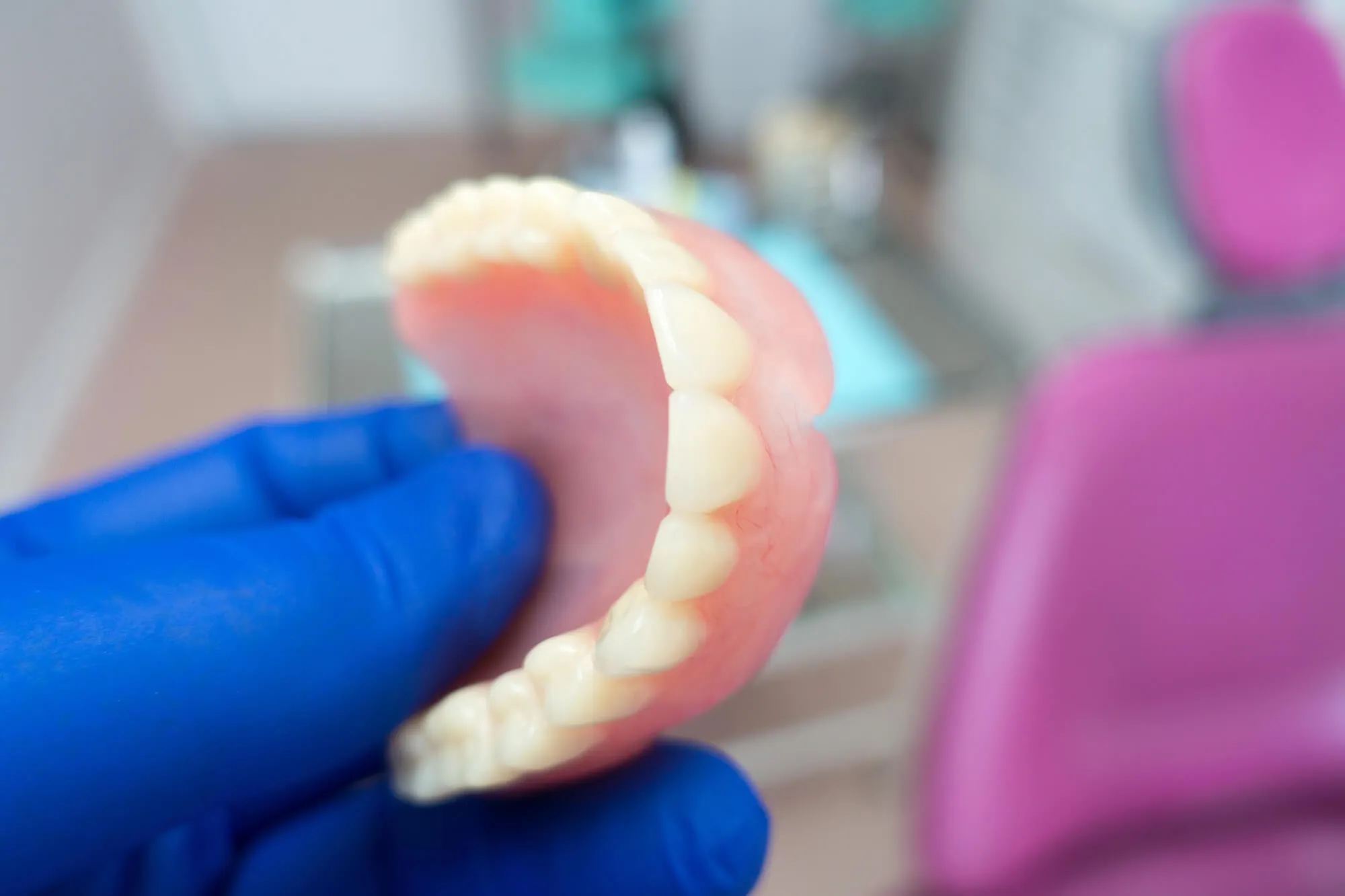
Dentures are custom-made prosthetic teeth attached to a base that resembles gum tissue. They can replace every tooth in an arch or fill spaces between remaining teeth.
Full and Partial Dentures
Full dentures replace all the teeth in the upper arch, lower arch, or both. They rest on the gums and are shaped to fit the underlying ridges.
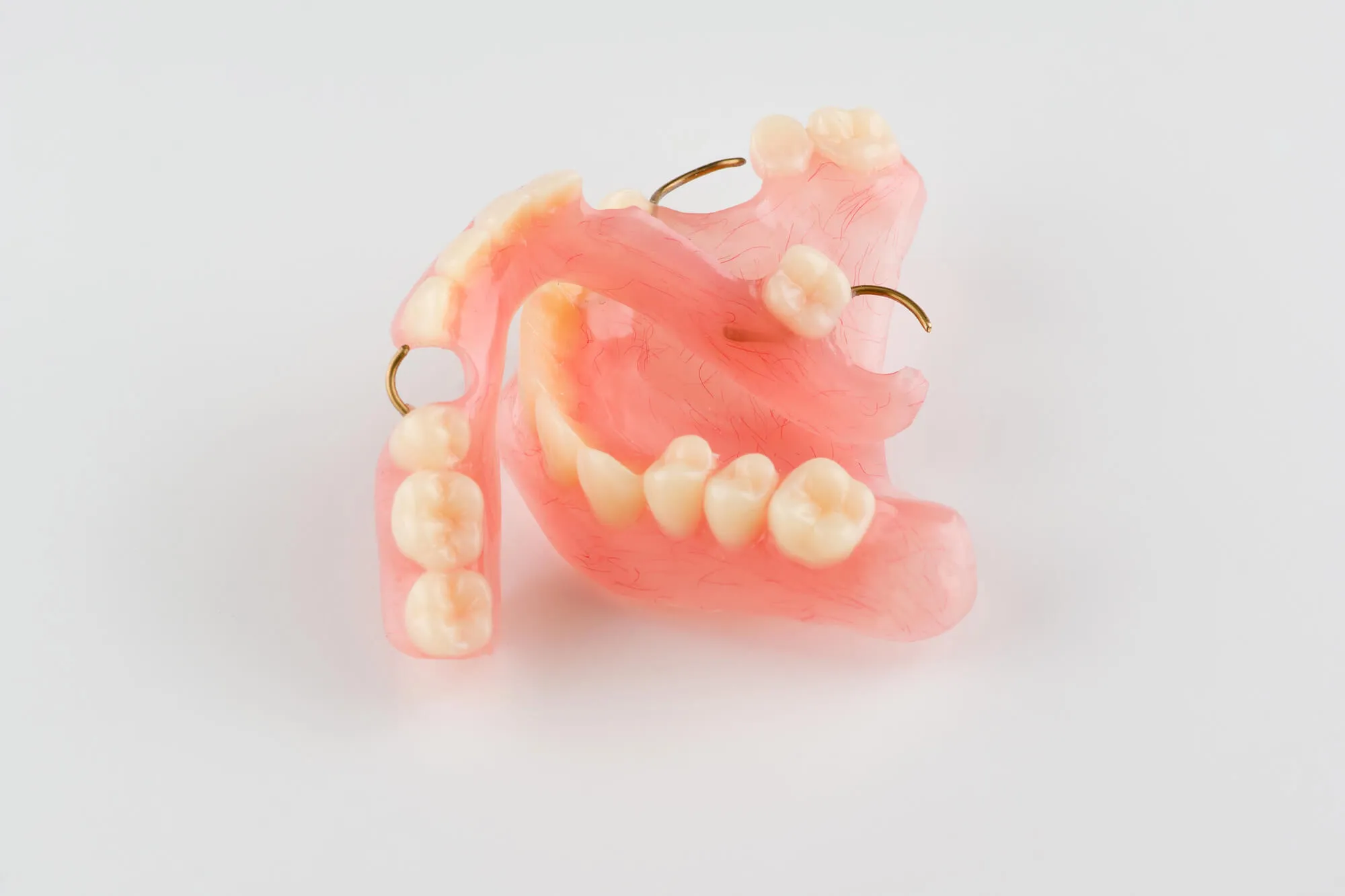
Partial dentures replace several missing teeth while working around the natural teeth that remain. They may use clasps or a framework for support.
Immediate and Implant-Supported Dentures
Immediate dentures are inserted after tooth extractions, providing replacement teeth while the mouth heals. The gums and bone change shape during recovery, so adjustments or relining may be needed as healing progresses.
Implant-supported dentures attach to dental implants placed in the jawbone. The implants provide anchorage that can reduce movement and improve stability. Candidacy depends on gum health, available bone, medical history, and findings from a dental evaluation.
Benefits Dentures May Provide
A carefully designed denture can support oral function and appearance. Depending on the denture type and your oral anatomy, possible benefits include:
- Added support when biting and chewing
- Clearer speech after the adjustment period
- Support for the lips, cheeks, and facial profile
- Replacement of spaces left by missing teeth
- A restoration shaped for a natural-looking appearance
- Greater stability with implant-supported dentures
Comfort and function may improve as the mouth adjusts.
How the Denture Process Works
The process begins with an oral examination and a discussion of your needs. The dentist evaluates your remaining teeth, gums, jaw structure, and bite before recommending a denture type.
Next, impressions or digital records capture the shape of your mouth. Once the denture is ready, the dentist checks its fit, appearance, and how the upper and lower teeth meet.
Some adjustment is expected as your cheeks, tongue, and gums become accustomed to the appliance. Follow-up appointments allow the dentist to address pressure points, refine the fit, and monitor changes in your mouth. Immediate dentures may require relining as the gums and bone change during healing.
Frequently Asked Questions
How Long Does It Take to Adjust to Dentures?
Adjustment time varies. Softer foods, smaller bites, and practicing difficult words may help while your mouth becomes accustomed to the denture.
Will Dentures Need to Be Replaced?
Dentures can wear over time, while the gums and supporting bone may change. Adjustment, relining, or replacement may eventually be recommended to maintain fit and function.
Could Dentures in Plymouth, MI Fit Your Needs?
Choosing a denture begins with evaluating your oral health, tooth-loss pattern, and desired level of stability. Dental Arts provides full, partial, immediate, implant-supported, and custom denture options, along with fittings, relines, and adjustments. Contact Dental Arts to schedule a consultation and discuss an option designed around your comfort, function, health, and natural appearance.
Contact us
Your smile deserves expert care in a place you can trust. Contact Dental Arts today to schedule your appointment and experience dentistry designed around you.