.png)
What Dental Veneers Can and Cannot Change About Your Smile
A veneer consultation can feel exciting until practical questions take over. Will your teeth look natural? Can veneers close every gap, straighten any tooth, or disguise every type of discoloration? Dental veneers in Plymouth, MI, can change several visible features. However, they have limits and are not appropriate for every dental concern.
Knowing what veneers can accomplish, what they cannot alter, and what your dentist evaluates beforehand helps set realistic expectations before any changes are made to your tooth structure.
What to Expect From Dental Veneers
Veneers Can Change Tooth Color
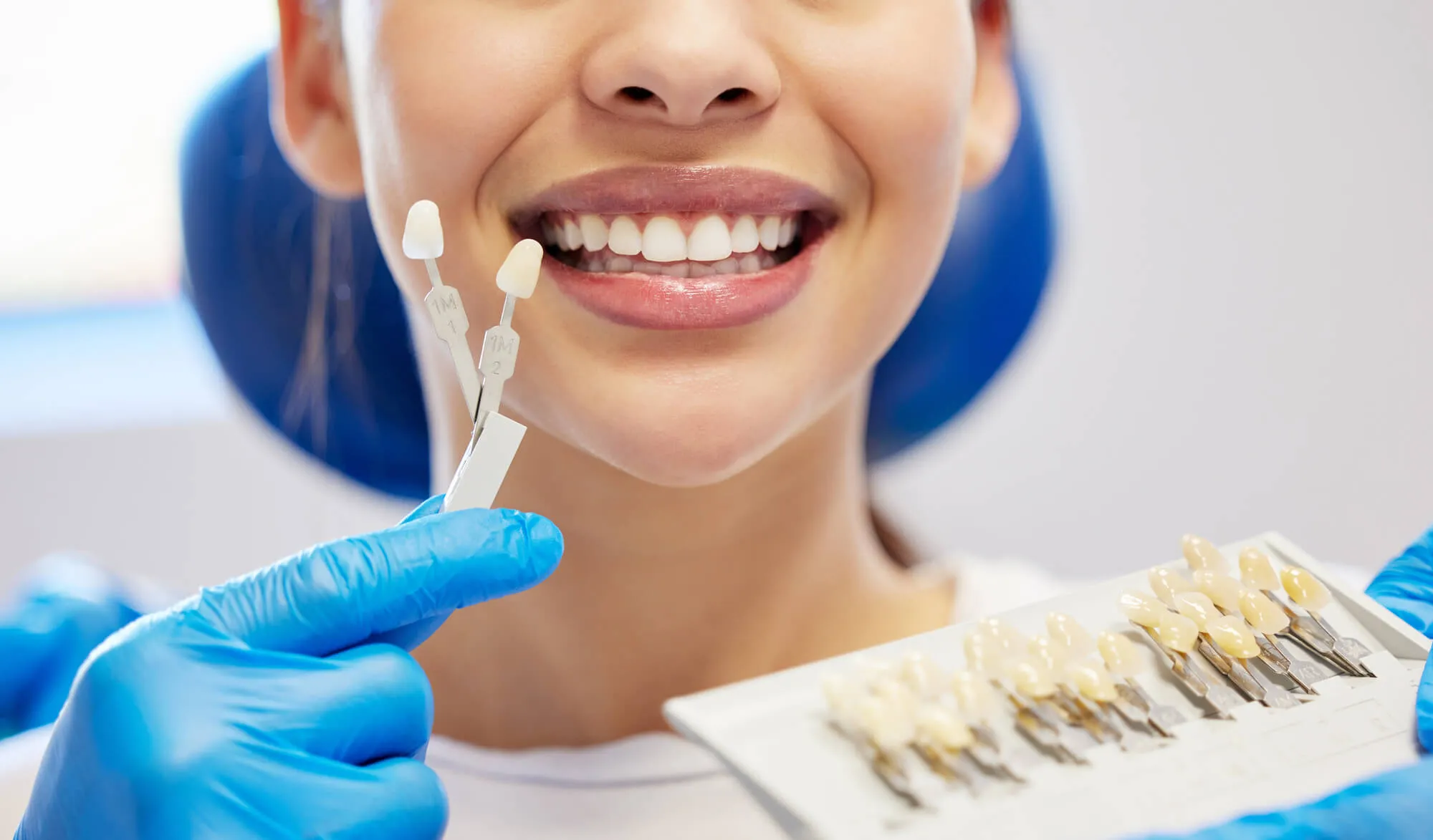
Deep discoloration may remain visible after professional whitening. Porcelain veneers can conceal certain stains by covering the front surfaces of affected teeth. The shade can be selected to complement neighboring teeth and create a more consistent appearance.
Porcelain is stain-resistant, but whitening products cannot change its underlying shade. Your dentist may recommend whitening nearby natural teeth before selecting the veneer color.
Veneers Can Alter Shape and Proportion
A tooth may look too small, worn, chipped, or uneven beside the surrounding teeth. Veneers can change the visible length, width, and outline of selected teeth. This may make a smile appear more balanced without changing every tooth.
They may address cosmetic features such as:
- Minor chips or worn edges
- Irregularly shaped teeth
- Teeth that appear disproportionately small
- Slight differences in tooth length
- Small spaces between teeth
- Mild visual misalignment
The proposed changes must still allow the teeth to meet comfortably when you bite.
Veneers Cannot Reposition Teeth or Change the Jaw
Veneers can make mildly uneven teeth appear straighter, but they do not move tooth roots or change jaw alignment. Crowding, larger spaces, or bite problems may require orthodontic care instead.
Placing veneers on teeth with marked misalignment may require additional enamel reshaping or result in bulky contours. An examination helps determine whether veneers, orthodontic care, or another approach is the best fit for the concern.
Veneers Cannot Address Active Oral Disease
Veneers cover the front surfaces of teeth, but they do not address cavities, gum disease, infection, or severe structural damage. The teeth and gums need to be healthy enough to support cosmetic dental work.
A heavily weakened tooth may require a crown, while infection inside a tooth may call for root canal therapy. The recommendation depends on the examination and imaging findings.
Veneers Cannot Prevent Every Future Problem
Porcelain veneers are durable, but they are not immune to chips, cracks, or debonding. Biting ice, chewing hard objects, and grinding your teeth can place excessive force on them. A nightguard may be recommended for people who clench or grind their teeth.
The natural tooth beneath and around a veneer can still develop decay. Daily brushing, flossing, and routine dental visits remain important.
Could Dental Veneers in Plymouth, MI, Suit Your Smile?
Dental Arts takes time to listen to your goals, evaluate your oral health, and explain what veneers can realistically accomplish. Its personalized approach focuses on comfortable care, healthy function, and natural-looking results suited to your features.
Contact Dental Arts to schedule a veneer consultation and discuss whether this cosmetic option aligns with your needs.
Contact us
Your smile deserves expert care in a place you can trust. Contact Dental Arts today to schedule your appointment and experience dentistry designed around you.